ADHD Coaching in NYC
The ADHD Dude
Around 1 in 20 adults live with ADHD. If that’s you, you may find yourself struggling with focus, follow-through, overwhelm, procrastination, emotional regulation, or constantly feeling mentally “switched on.”
This ADHD coaching in NYC can help you better understand how your brain regulates attention, motivation, and executive function — while giving you practical tools to reduce friction, improve consistency, and navigate daily life with greater clarity, structure, and confidence.
Upcoming Workshop on ADHD
Understand how the ADHD brain and executive function system work — and learn practical tools to improve focus, reduce overwhelm, strengthen follow-through, and manage the day-to-day friction that ADHD can create.
This workshop helps people with ADHD build structure, improve consistency, regulate attention more effectively, and navigate everyday life with greater clarity and confidence.
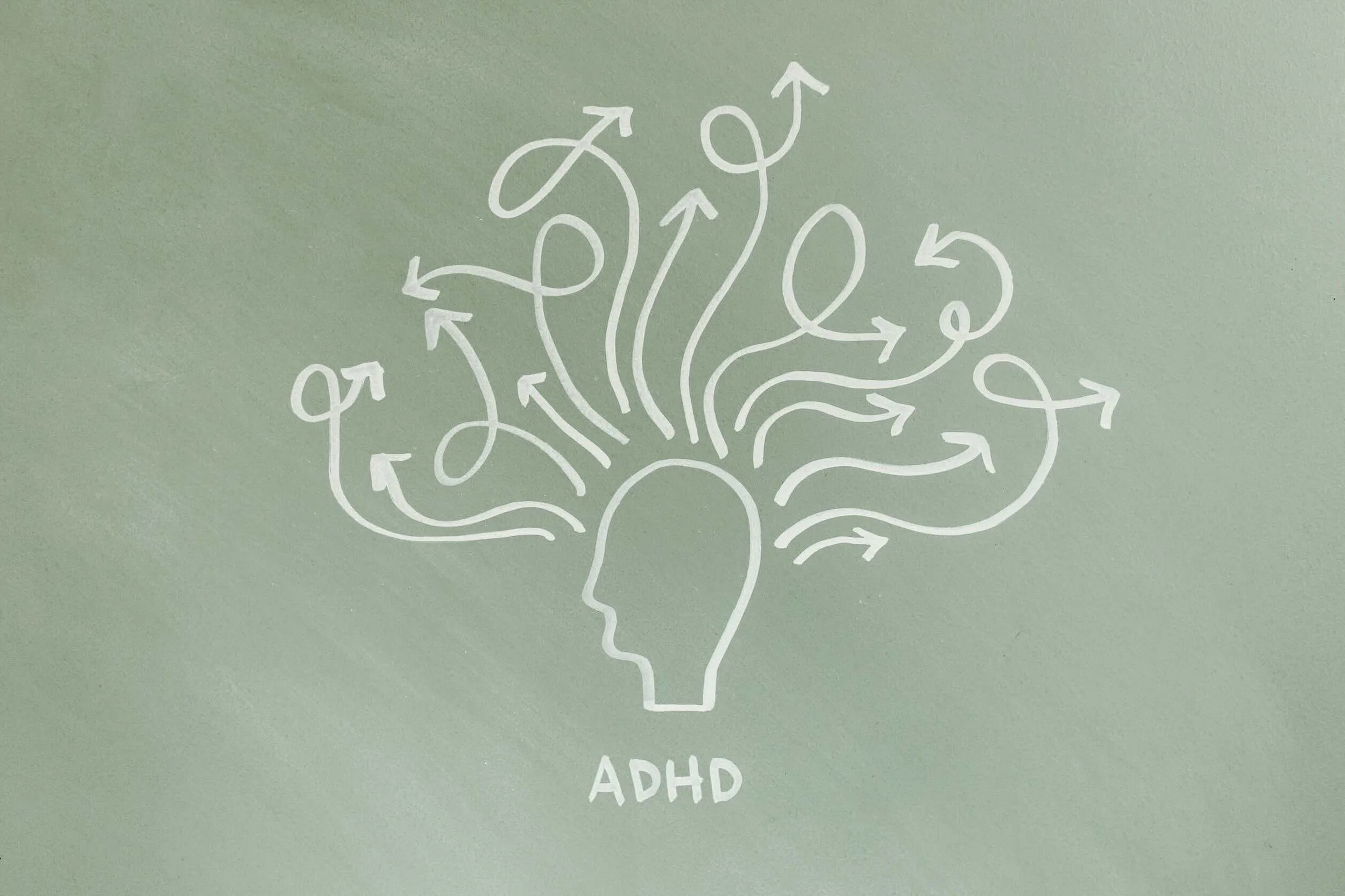
ADHD Related Articles to Help You
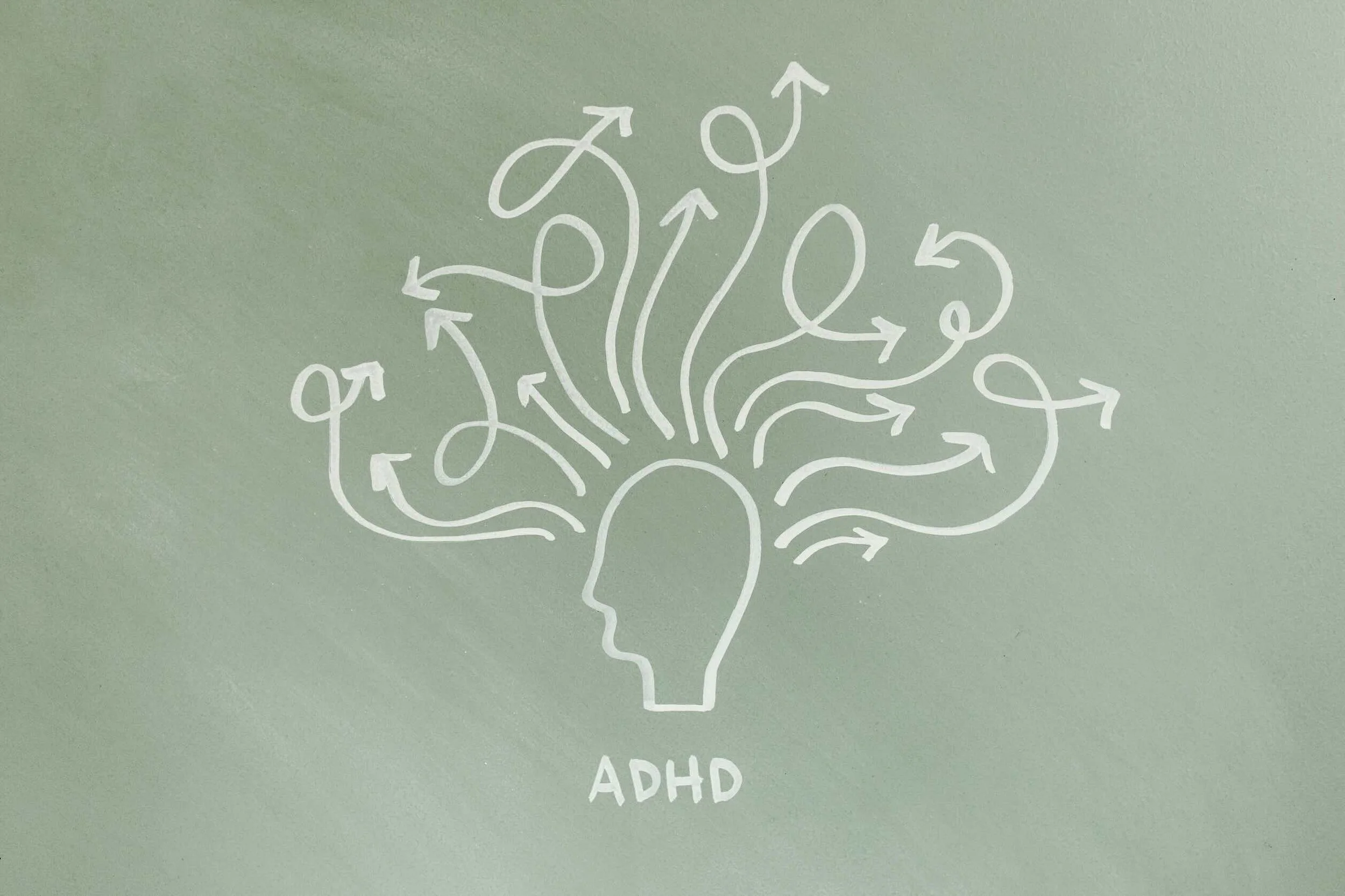
ADHD and Executive Function: Why It’s Hard to Focus, Start Tasks, and Stay Consistent

ADHD at Work: Practical Strategies to Stay Focused, Organized, and Productive
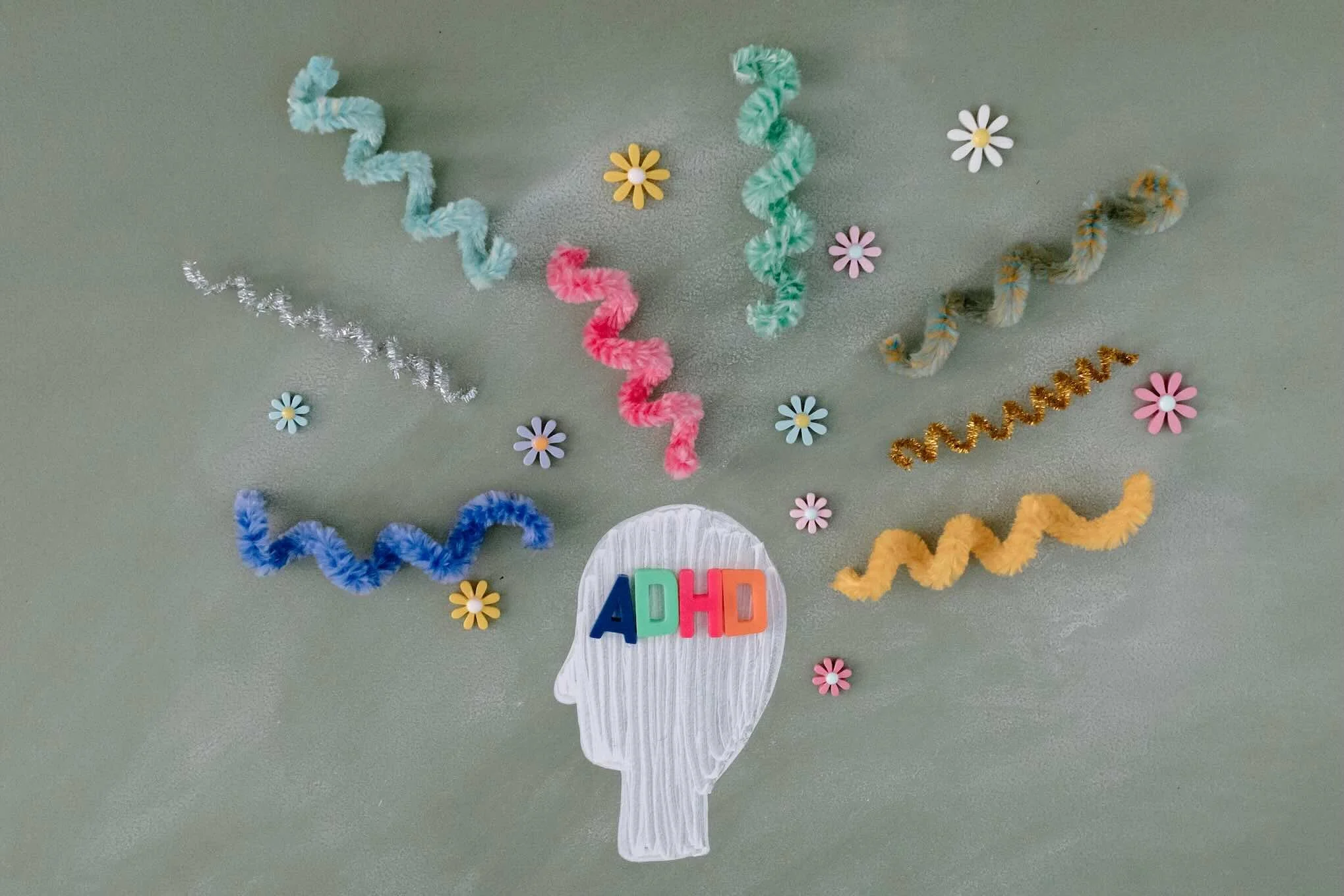
ADHD Task Paralysis: Why Starting Feels So Hard (And What Actually Helps)

The Hidden Role of Boredom in Procrastination and Focus

How to Stop Overthinking (And Start Taking Action)
ADHD Digital Tools
Explore practical digital tools that may help with focus, organization, task management, time blindness, procrastination, and digital distraction.
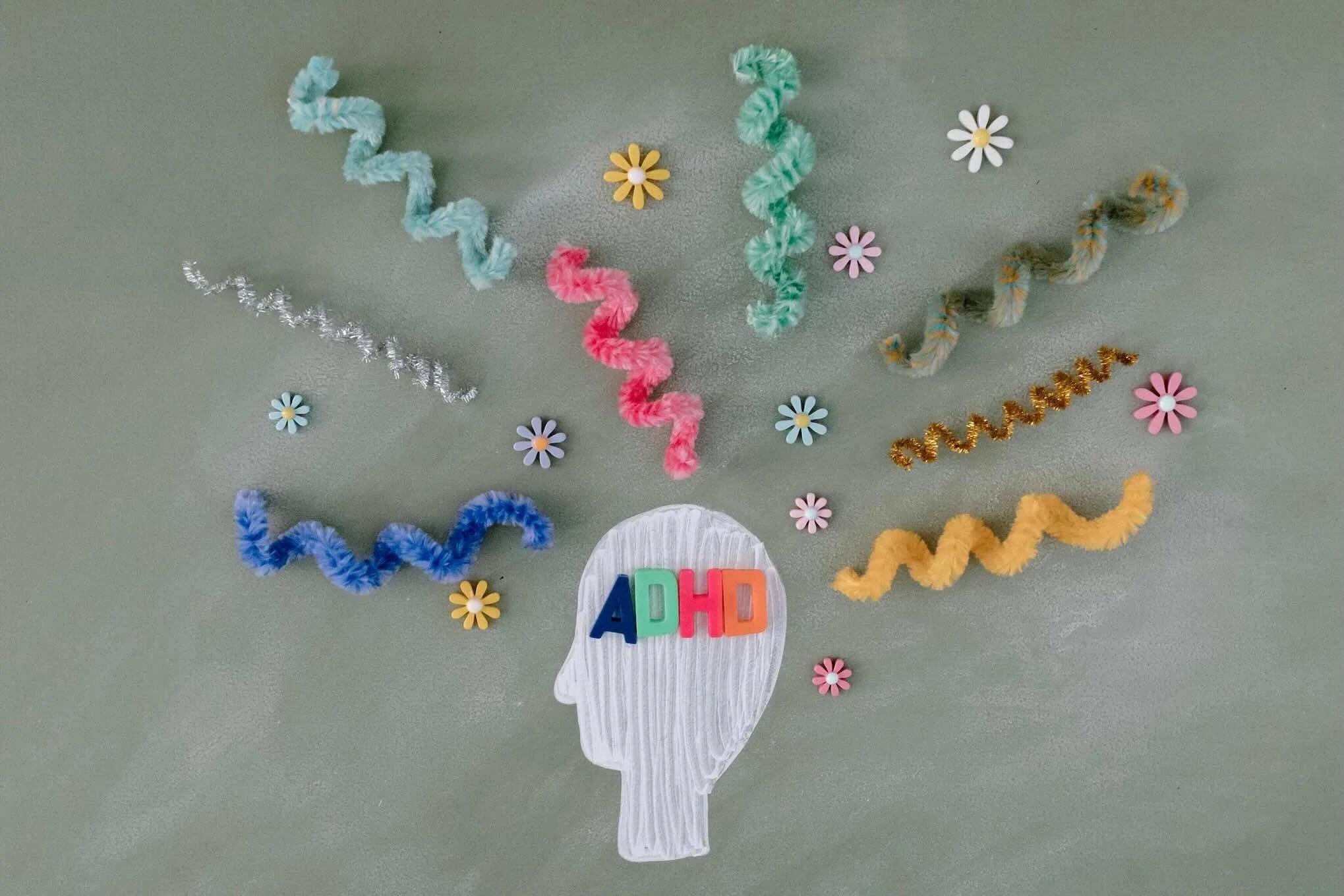

I help people with ADHD overcome overwhelm and build the tools to thrive in life with confidence, clarity, and calm, using cognitive psychology principles and neuroscience.
Curious if ADHD coaching is right for you? Let’s chat.

Frequently Asked Questions
-
ADHD (Attention-Deficit/Hyperactivity Disorder) is a neurodevelopmental condition that affects attention regulation, executive function, motivation, emotional regulation, and follow-through. It’s not simply a lack of attention. Many people with ADHD can focus intensely on things that are stimulating or interesting, while struggling with tasks that require sustained effort, organization, or delayed rewards.
ADHD can impact areas such as focus, procrastination, overwhelm, time management, emotional regulation, working memory, and task initiation. With the right understanding and practical systems, many people with ADHD learn how to work with their brain more effectively rather than constantly fighting against it.
-
No. ADHD affects much more than attention alone.
Many of the day-to-day struggles associated with ADHD are connected to executive function — the brain’s management system responsible for planning, organizing, prioritizing, regulating behavior, and sustaining effort over time.
This is why someone with ADHD may:
Struggle to start important tasks
Lose momentum halfway through projects
Feel overwhelmed by simple responsibilities
Forget information they just had
Have inconsistent motivation or focus
Experience emotional frustration or impulsivity
ADHD is better understood as a difficulty regulating attention, effort, and behavior consistently rather than simply an “attention deficit.”
-
Common signs of ADHD can include:
Chronic procrastination
Difficulty starting tasks
Forgetfulness and working memory issues
Losing focus easily
Time blindness or poor time estimation
Feeling mentally overwhelmed
Difficulty organizing or prioritizing
Inconsistent motivation
Emotional impulsivity or frustration
Frequently abandoning projects midway through
Some people are diagnosed in childhood, while others do not recognize the pattern until adulthood.
Coaching is not a medical diagnosis, but exploring these patterns can help you better understand how your brain operates and whether a formal assessment may be helpful.
-
Yes. Many people with ADHD struggle less with knowledge and more with execution.
ADHD coaching focuses on practical tools and systems that reduce friction and make action easier. This can include:
Breaking tasks into smaller steps
Reducing overwhelm
Improving focus environments
Building accountability systems
Creating realistic structure and routines
Managing attention and energy more effectively
Improving follow-through and consistency
The goal is not perfection. The goal is creating systems that work with your brain rather than against it.
-
ADHD coaching is a practical, forward-focused process designed to help you navigate the real-world challenges associated with ADHD.
Sessions may focus on:
Focus and attention management
Procrastination and task initiation
Overwhelm reduction
Time management and structure
Emotional regulation
Habit and routine building
Working memory support systems
Accountability and follow-through
Reducing mental clutter and friction
The approach is grounded in practical tools, behavioral psychology, neuroscience, and real-life application.
-
No. ADHD coaching and therapy serve different purposes.
Therapy often focuses on emotional healing, mental health conditions, trauma, or processing past experiences.
ADHD coaching is more practical and action-oriented. It focuses on helping you improve organization, execution, focus, consistency, and daily functioning moving forward.
That said, coaching and therapy can complement each other very well.
-
Yes. ADHD coaching is available for individuals in NYC as well as virtually.
Sessions are designed to help people better understand how ADHD affects focus, motivation, execution, and emotional regulation — while building practical systems to reduce overwhelm and improve day-to-day functioning.
-
Many people begin noticing small shifts relatively quickly once they start applying more ADHD-friendly systems and strategies.
Often, the first improvements come from:
Reduced overwhelm
Better clarity
More consistent task follow-through
Improved structure
Less mental friction around getting started
Long-term change usually happens through consistent experimentation, repetition, and building systems that are sustainable for your life and environment.
-
ADHD affects the brain systems involved in attention regulation, executive function, motivation, and effort allocation.
For many people with ADHD:
Boring or unclear tasks feel unusually difficult to start
Working memory can become overloaded easily
Distractions compete more strongly for attention
Delayed rewards make sustained effort harder
Stress and overwhelm can further disrupt focus
This does not mean someone is lazy or incapable.
In many cases, the challenge is not intelligence or desire — it’s difficulty regulating attention, effort, and execution consistently over time.