
High-Performance Focus & Execution at Work
Upgrade team focus and execution using principles of performance psychology and neuroscience
Built from 50+ workshops through a NYC-based community (~1,900 members), shaped by consistent feedback from people working across roles and industries.

Formats Available
60-minute virtual talk, ideal for lunch-and-learns
90-minute workshop, deeper session
Half-day (3.5 hours), interactive workshop
The modern workplace fragments attention through context switching, cognitive load, and AI-assisted workflows, making consistent performance difficult.
You’ll learn practical tools to stabilize focus and improve execution in real time.
What we’ll cover
What happens when we sit down to direct our attention—grounded in cognitive science
The Focus Cycle
Task kickoff and initial resistance
Deep focus and flow
Fatigue, drift, and reset
Simple resets to stay focused
In-the-Moment Focus Breakdowns
How focus splinters in creative tasks based on attention research.
Unclear task → brain scans for clarity
Too many open loops → working memory overloaded
Task feels heavy → effort costly, attention drops
Context switching → fragments attention → slows execution
Real-time fixes for focus breakdowns
Why Procrastination & Avoidance Happens
From a psychological perspective, avoidance is a natural system response.
Emotional friction in starting tasks
Avoidance patterns on complex, ambiguous, or AI-assisted work
How avoidance → relief → repeat loops get reinforced
Break avoidance in real time
Building Work Habits For Execution
Rooted in habit-building psychology
Habits are cue-driven patterns that run with little effort
Built through cue, action, reward, and repetition
Execution improves when habits support how work gets done
Audit work patterns and redesign using Add, Edit, Delete
Energy Foundations for Execution (system-level capacity)
Your human system determines your ability to perform—grounded in neuroscience
Sleep → slower decisions, heavier tasks, more switching
Threat response system → effort feels heavier, avoidance increases
System degradation → lower capacity → weaker execution over time
Practical strategies to manage energy
What teams leave with
A clear model of how focus and execution actually behave under load
A practical understanding of why work breaks down (and how to fix it)
Tools to improve execution through better work habits and structure
A system-level view of energy and how it impacts performance
About your host
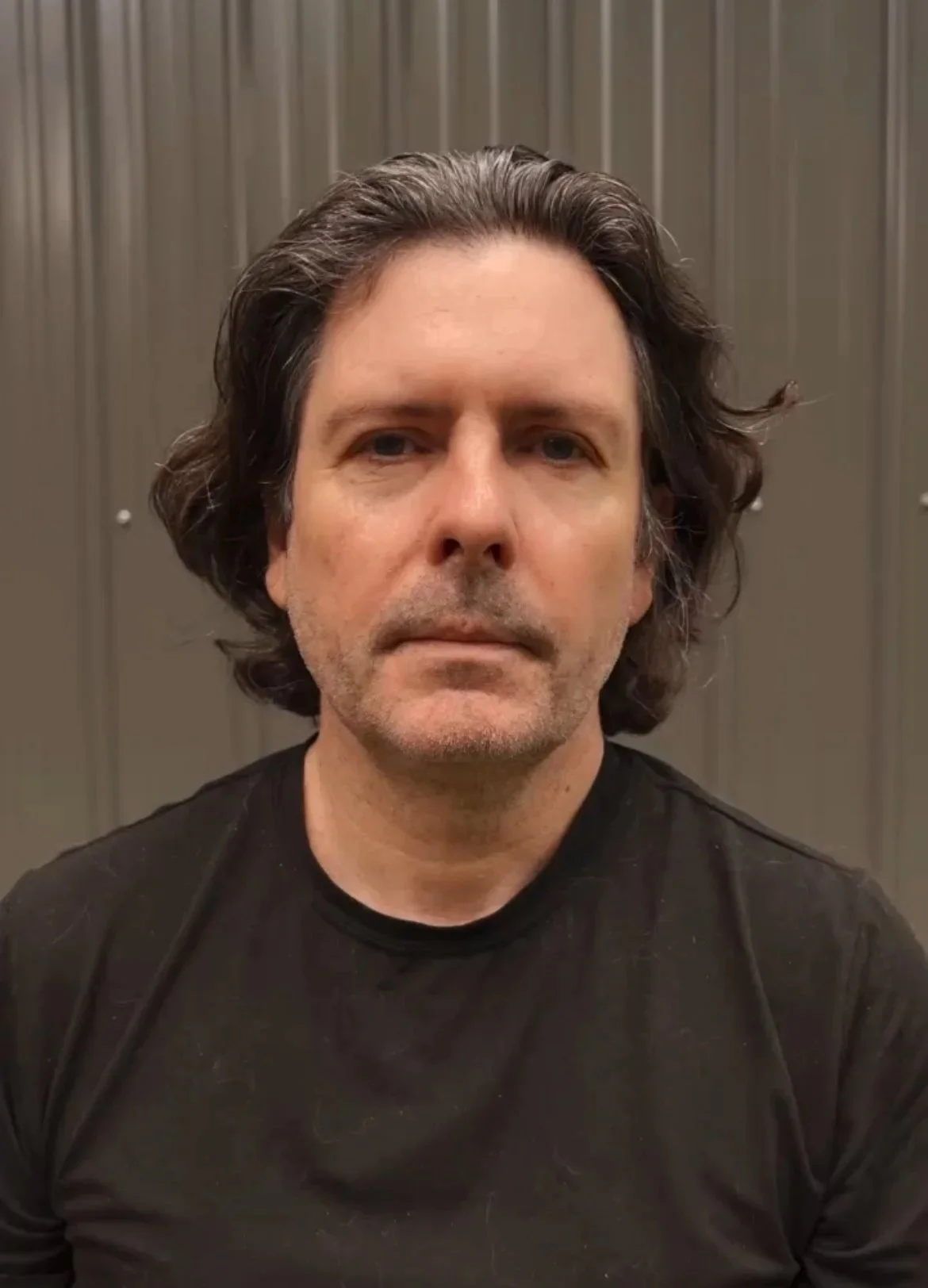
Aiden Murtagh is a Mindset & Performance Coach based in NYC and a graduate of the Jay Shetty School of Coaching.
Founder of the NYC Personal Growth & Life Coaching Lab on Meetup (4.7 rating, 1,900+ members), hosting 50+ workshops on mindset, focus, and performance.
Creator of the Yes Sensei ® app and the Yes Sensei ® Method, a practical coaching framework grounded in performance psychology and built for structured action.
Let’s Talk Next Steps
I personally follow up with everyone. No obligation.