Highly Sensitive Person (HSP) Coaching in NYC
Around 1 in 5 people are Highly Sensitive (HSP). If that’s you, you likely process the world more deeply — which can lead to overwhelm, overthinking, or difficulty switching off. This HSP coaching in NYC helps you understand how your system works and gives you practical tools to reduce overwhelm, improve focus, and move through your day with more control.
Upcoming Workshop for Highly Sensitive People (HSPs)
Understand how the Highly Sensitive Person (HSP) mind and nervous system work — and learn practical tools to manage overwhelm, reduce overthinking, and protect your energy in busy environments.
This workshop helps HSPs improve focus, build confidence, and function more effectively in everyday life.
HSP Resource Library
Whether you're just discovering you're highly sensitive or looking for practical ways to reduce overwhelm, these guides will help you better understand your nervous system and develop the skills to thrive
Understanding High Sensitivity

12 Signs You’re a Highly Sensitive Person (HSP) — According to Your Nervous System

Why Being a Highly Sensitive Person (HSP) Is a Strength: Understand Your Nervous System to Thrive.

Why Highly Sensitive People Get Overwhelmed: The Real Cause of HSP Overstimulation
Nervous System & Energy
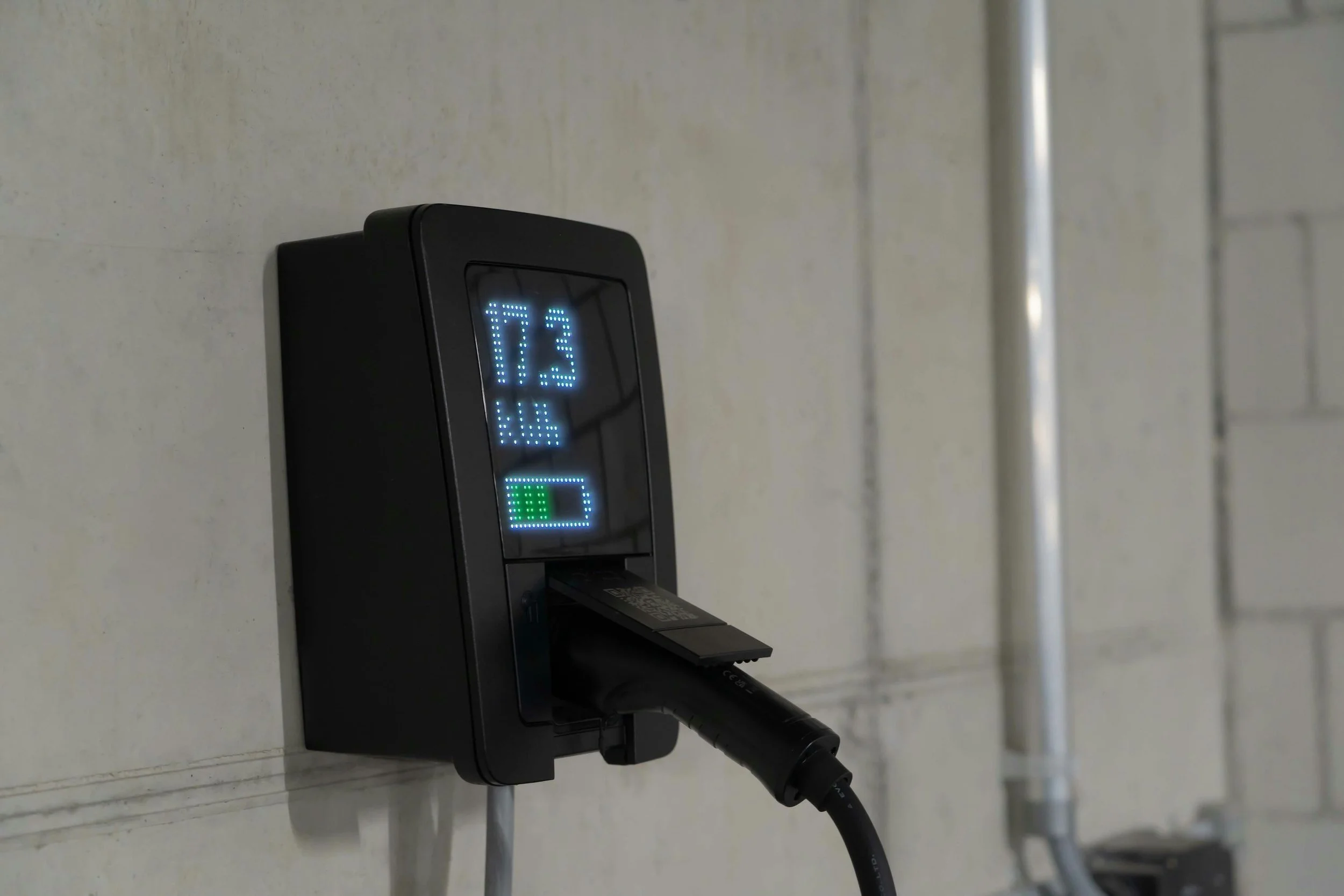
Why Highly Sensitive People (HSPs) Feel Drained All the Time (And How to Fix It)

How to Activate Your Parasympathetic Nervous System and Calm Stress

The 7 Types of Rest: What They Are and Why They Matter

10 Ways to Protect Your Energy in This Modern Digital World

16 Ways to Maintain Your Mental Energy at Work
Relationships & Boundaries

Navigating Relationships as a Highly Sensitive Person (HSP): How Sensitivity Shapes Connection

Why Boundaries Are Hard for HSPs (And How to Build Them)

Why Some People Need Alone Time More Than Anything Else
Everyday Challenges

How to Stop Overthinking (And Start Taking Action)

Burnout: The Stages – And How to Understand Where You Are

How to Avoid Burnout at Work (Before It Takes Hold)
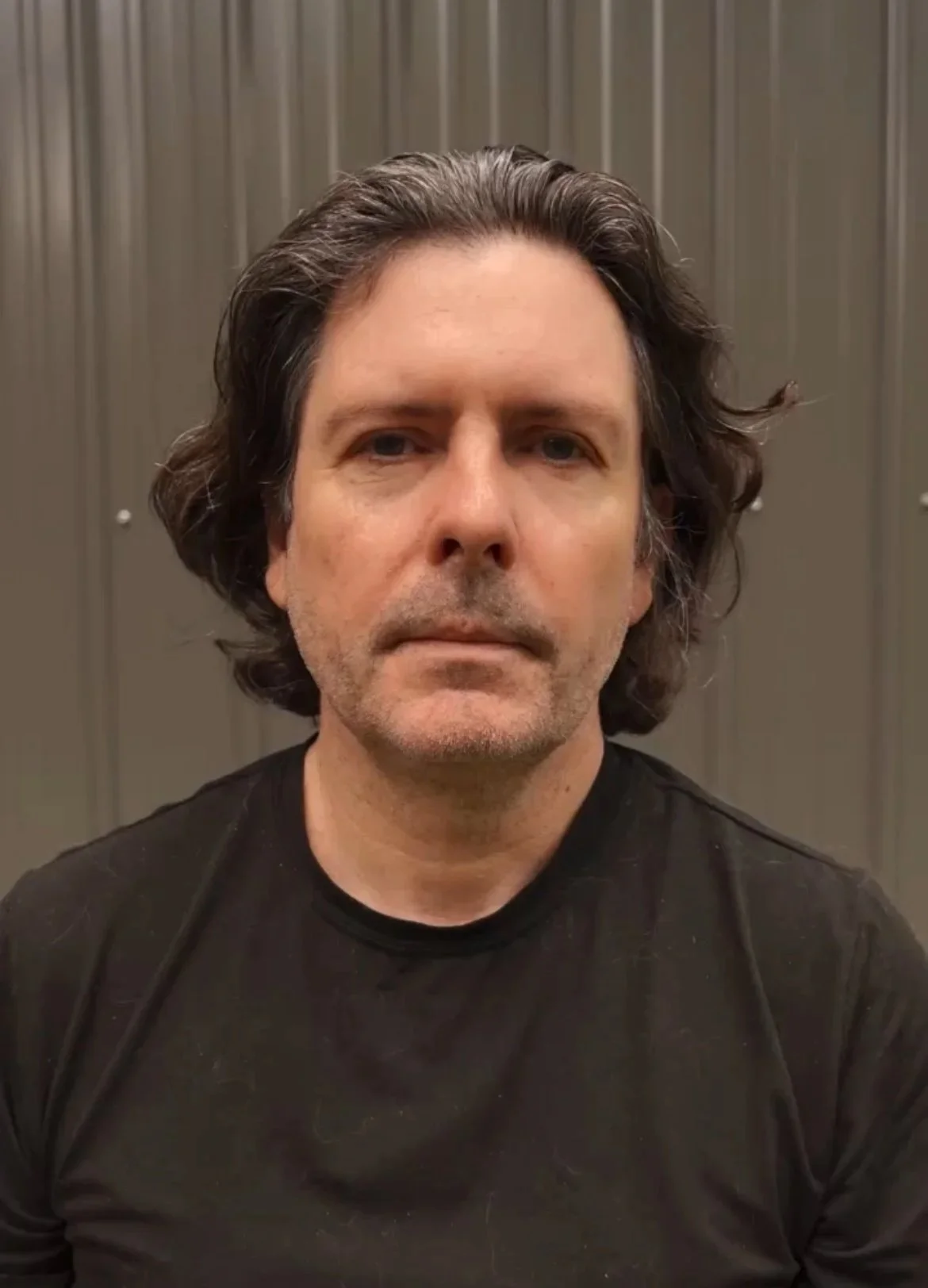
I help HSPs overcome overwhelm and build the tools to thrive in life with confidence, clarity, and calm, using cognitive psychology principles and neuroscience.
Curious if HSP coaching is right for you? Let’s chat.

Frequently Asked Questions
-
A Highly Sensitive Person (HSP) is someone who processes sensory and emotional input more deeply than average. This can show up as strong emotional responses, sensitivity to environments, and a tendency toward overthinking or mental fatigue. Around 1 in 5 people are considered highly sensitive.
-
No. Being highly sensitive is a natural trait, not a flaw. Without the right tools, it can lead to overwhelm and stress. With the right approach, it can become a strength — improving empathy, awareness, and decision-making.
-
Common signs include feeling overwhelmed in busy environments, needing more downtime to recharge, being deeply affected by emotions, and having a tendency to overthink. If you’re unsure, you can take the HSP self-audit above for a quick assessment.
-
Yes. HSP coaching focuses on helping you manage overstimulation, reduce overthinking, and build practical strategies to stay grounded and focused in everyday situations.
-
HSP coaching focuses on understanding how your sensitivity works in real-life situations and developing practical tools to manage it. This includes reducing overwhelm, improving focus, managing emotional intensity, and building confidence in day-to-day environments.
-
No. Therapy often focuses on healing past experiences and mental health conditions. Coaching is more forward-focused and practical — helping you build skills to manage your sensitivity and perform better in your daily life.
-
Yes. HSP coaching sessions are available for clients in NYC, as well as remotely.
-
Many people start to notice changes within a few sessions, especially in how they manage overwhelm and approach daily situations. Consistency and application of the tools are key to longer-term results.
-
Highly Sensitive People process more sensory and emotional input, which increases cognitive load. In fast-paced or noisy environments, this can lead to overstimulation and mental fatigue more quickly than average.